What is the SAF-T system?
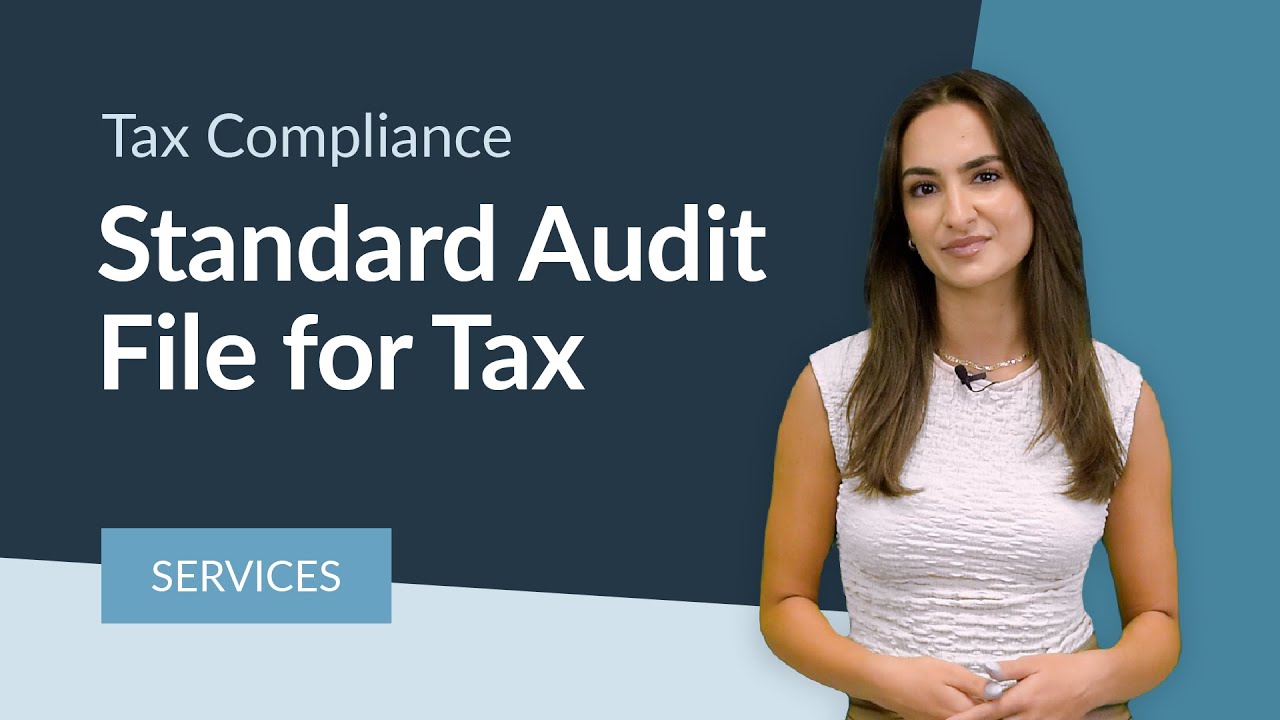
The SAF-T (Standard Audit File for Tax) is an electronic format, usually based on XML, designed to facilitate the exchange of accounting and tax information between companies and tax authorities. Its main purpose is to standardize data, streamline audits, and improve traceability of tax compliance. This guide offers a complete overview of its definition, advantages, structure, presence in Europe, and best practices for successful implementation.
What Is SAF-T?
The SAF-T is a structured file that contains accounting and tax information in a readable, standardized, and portable format, independent of the software used. It was introduced by the OECD with two main objectives:
- Facilitate tax audits and controls through a standardized format.
- Reduce administrative burdens and errors resulting from manual data handling.
Each country adapts the standard to its legal framework by incorporating fields, validations, and additional structures that reflect its local requirements. It does not replace other tax obligations such as VAT returns or electronic invoicing but complements them by providing tax authorities with faster, more structured access to accounting data.
The format is aimed both at companies subject to regulatory obligations (typically those registered for VAT) and at b seeking to harmonize audit and control processes in the digital era.
Benefits and Challenges of SAF-T
Main Benefits
Global standardization: consolidates accounting and tax information into a single format.
Operational efficiency: accelerates review and audit response processes.
Data quality: ensures consistency across ERP, invoicing, inventory, and other systems.
Interoperability: enables communication between different platforms and multinational environments.
Cost reduction: minimizes the time spent manually preparing reports.
Transparency and control: provides complete traceability of all recorded transactions.
Common Challenges
Mapping complexity: integrating different systems may require detailed planning.
Data governance: maintaining up-to-date customer, supplier, and account catalogs is essential.
Regulatory evolution: schema versions frequently vary between countries.
Security and privacy: the file contains sensitive information that must be properly protected.
Structure of a SAF-T File
A SAF-T file consists of three main sections: header, master data, and accounting movements, complemented by country-specific annexes.
- Header: Includes taxpayer identification, reporting period, schema version, and software information used to generate the file.
- Master Files: They contain the basic information that defines the accounting structure:
- Chart of accounts
- List of customers and suppliers
- Items or services, tax types, and VAT rates
- Banks, currencies, and payment terms
- General Ledger & Subledgers: Reflect the company’s economic activity:
- Accounting entries and journal
- Sales and purchase invoices
- Accounts receivable and payable
- Inventory movements and fixed assets
- Adjustments or accounting corrections
- Local Specifications: Each country may add specific validations or structures to meet its legal requirements, such as VAT codes or tax catalogs. The reporting frequency and transmission channels also vary: monthly, quarterly, or upon request by the tax authority.
SAF-T in Europa
SAF-T is widely implemented across Europe, although each jurisdiction applies its own version with varying levels of scope and mandatory use. Below are the main implementations.
Portugal
SAF-T PT, in force since 2008, was the first European implementation and covers both accounting and e-Invoicing. Since 2013, companies have submitted files including products, clients, suppliers, VAT regimes, and accounting movements. In 2025, full integration with the e-Fatura portal is expected, adding automatic validations and cross-checks. Reporting is usually monthly, and the data is used for in-depth VAT control.
Poland
Poland applies the JPK (Jednolity Plik Kontrolny) system, based on the SAF-T standard, as a cornerstone of its digital tax strategy. The JPK_VAT file is mandatory for all VAT-registered companies, combining record-keeping and monthly declaration. Other variants such as JPK_FA (invoices) or JPK_MAG (inventory) serve specific control purposes. The system integrates with the national KSeF e-Invoicing platform, enabling automatic data matching and early detection of inconsistencies.
Romania
The D406, Romania’s local SAF-T version managed by ANAF, has been rolled out gradually since 2022: for large companies first, medium-sized in 2023, and small enterprises from 2025. It includes general ledger, sales, purchases, inventory, and fixed assets. Files are submitted electronically with automatic receipts, and integration with the RO e-Factura system gives the authority a unified view of business operations.
Norway
The SAF-T Financial is mandatory for companies with annual revenue exceeding €500,000. Firms must be able to generate and submit the file when requested by the tax administration through the Altinn portal. It includes chart of accounts, transactions, and master data, helping authorities identify inconsistencies and assess risk. Norway has recently strengthened automatic checks and penalties for errors or delays.
Lithuania
The i.SAF-T system, part of the i.MAS platform, requires all VAT-registered companies to report accounting and tax data in structured format. It complements the i.SAF (invoices) and i.VAZ (goods transport) modules, providing full transaction traceability. Reporting may be monthly or on request, depending on taxpayer type, and has significantly reduced audit times.
Hungary
Hungary has not yet made SAF-T mandatory but has developed an experimental scheme aligned with OECD standards. Companies must be able to generate the file upon request for certain controls, including VAT, general ledger, and subledger data. The system is expected to merge in coming years with the online invoice reporting (RTIR) model, creating a unified reporting framework.
Bulgaria
Bulgaria plans to introduce its own SAF-T from 2026. Currently in a technical consultation phase, it aims to harmonize accounting reporting with EU standards and reduce administrative burdens. It is expected to include accounting and VAT data, inspired by the Portuguese and Polish models. Pilot tests will be conducted before general enforcement to adjust technology and business infrastructure.
Note: Frequency, format, and transmission channels differ by country. Always review the latest local schema and technical guides before implementation.
How to Implement SAF-T in Your Company
Follow these eight steps for a secure and efficient transition:
- Assess current systems: identify the sources of accounting and tax information.
- Analyze local requirements: check schema version, frequency, and required annexes.
- Map your data: align your ERP fields with the official structure.
- Develop extraction processes: build the ETL routine or internal function that generates the file.
- Validate content: ensure structural accuracy, accounting consistency, and data integrity.
- Run pilot tests: use controlled periods and various document types.
- Automate operations: schedule file generation and submission, managing receipts and retries.
- Maintain governance: implement internal controls and train staff for each update.
Impact on Audit and Compliance
SAF-T not only simplifies external audits but also strengthens internal monitoring:
- Faster audits: the standardized structure allows large volumes of data to be reviewed efficiently.
- Enhanced traceability: facilitates tracking of entries, adjustments, and inter-module relationships.
- Reduced penalties: consistent, validated data lowers the risk of fines.
- Operational transparency: promotes a culture of control and continuous improvement.
It does not replace tax returns or e-Invoicing obligations. Instead, it complements those processes, increasing tax authorities’ visibility over the actual economic activity of companies.
Technical Best Practices
Maintain a unified and consistent data model.
Automate file generation, validation, and archiving.
Track schema versions and document all changes.
Strengthen security with encryption, authentication, and audit logs.
Retain files and receipts according to legal retention periods.
Ensure your ERP or accounting software can export required data without needing full infrastructure replacement.
Continue your learning in EDI and Compliance!
Webinars, Success Stories, Guides, Reports… Here you will find all our premium content.
 Webinar
 Video
VideoSubscribe to our newsletter
Sending
Please wait. This may take several seconds.